
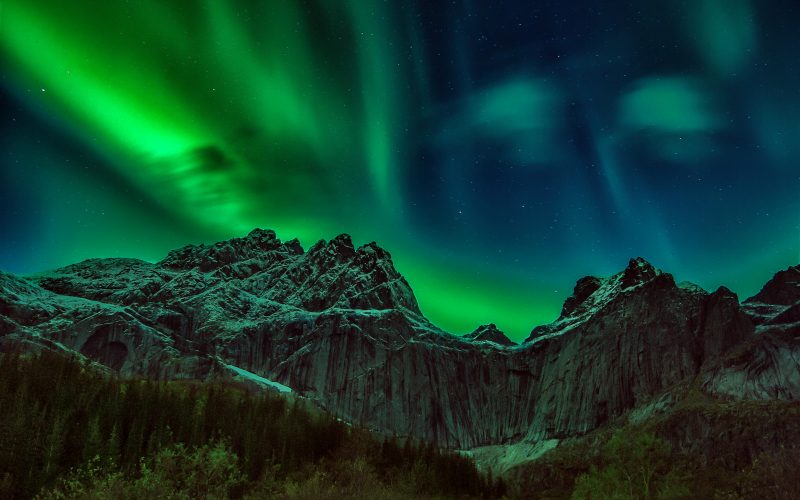

- Aurora Basics: The northern lights (aurora borealis) are caused by charged solar particles interacting with Earth’s atmosphere, creating vibrant, dancing colors in high-latitude skies.
- Timing Is Crucial: The best months for viewing are late September to early April, with peak visibility during long, dark nights and low moonlight.
- Top Destinations: Prime locations for 2026 include Tromsø (Norway), Abisko (Sweden), Iceland, Fairbanks (Alaska), Yellowknife (Canada), Rovaniemi & Kakslauttanen (Finland), the Scottish Highlands, Svalbard (Norway), and Greenland.
- Maximizing Chances: Increase your odds by staying several nights, heading away from city lights, tracking aurora forecasts with apps, and monitoring local weather for clear skies.
- Photography Tips: Use a tripod, wide-angle lens, long exposure (10–30 seconds), and consider foreground elements. Don’t forget to sometimes put the camera down and enjoy the experience.
- Choosing the Right Destination: Consider accessibility, weather, accommodations, activities, budget, and length of stay to match your travel style and comfort level.
- Safety and Preparation: Dress in layers, carry backup power, travel with guides in remote areas, and be aware of wildlife to stay safe in Arctic and high-latitude destinations.
Experiencing the northern lights is on many travelers’ bucket lists. The dancing colors in the night sky are truly magical and unforgettable. If you’ve ever wondered where to catch the best view, you’ve come to the right place. In this guide, we’ll explore the top destinations for 2026, along with tips on timing, accommodations, and activities that will make your trip even more memorable.
What Are the Northern Lights and Why Are They So Stunning?
The northern lights, or aurora borealis, are natural light displays in the sky, usually seen in high-latitude regions near the Arctic Circle. They occur when charged particles from the sun collide with gases in the Earth’s atmosphere, creating shimmering ribbons of green, pink, purple, and sometimes red.
People travel from all over the world to witness this spectacular phenomenon. The lights are unpredictable, but with the right location, season, and a little patience, your chances of seeing them increase dramatically.
When Is the Best Time to See the Northern Lights?
Timing is everything when it comes to aurora spotting. The best period is generally between late September and early April, when nights are longest and skies are darkest.
Some tips for timing your trip:
- Avoid full moons: The brighter the moon, the harder it is to see the northern lights.
- Check the solar activity: Higher solar activity increases the intensity of the lights.
- Consider shoulder seasons: Early autumn and late spring can offer fewer crowds.
Top Destinations to See the Northern Lights in 2026
Now let’s explore the best places around the world where you can experience the northern lights in 2026, along with tips on timing, activities, and local highlights.
1. Tromsø, Norway
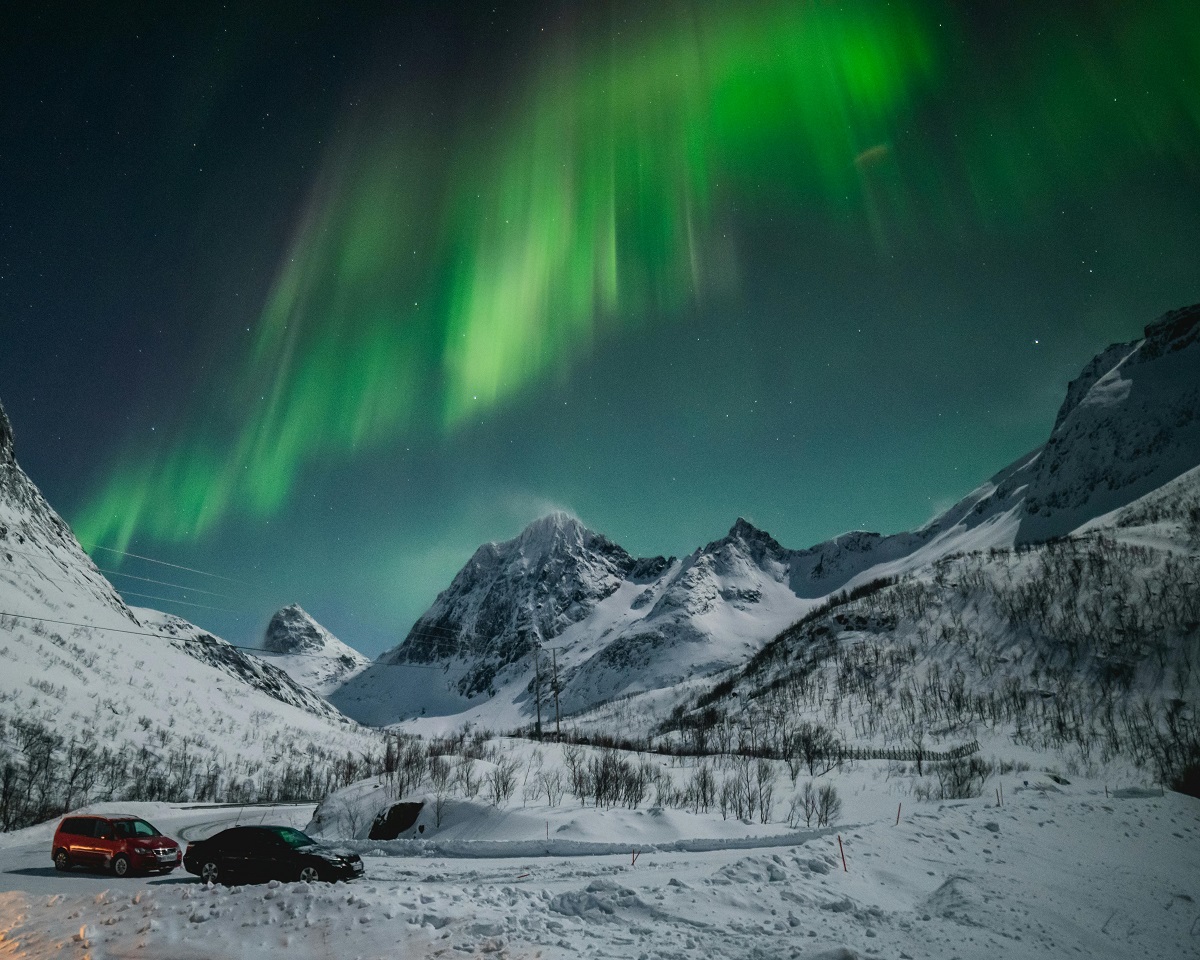
Tromsø, often called the “Gateway to the Arctic,” sits well above the Arctic Circle and is one of Europe’s most reliable northern lights destinations. The city combines stunning natural beauty with modern comforts, making it ideal for travelers of all types.
Why Tromsø Stands Out:
- Accessibility: Direct flights from major European hubs like Oslo, London, and Frankfurt.
- Variety of Tours: Dog sledding, snowmobiling, and guided aurora chases are widely available.
- Urban Comforts: Cozy hotels, restaurants, and cultural experiences like museums and local cuisine.
Best Time to Visit Tromsø:
The optimal months are late September to early April, with December through February offering the clearest skies. For photography, aim for nights around a new moon to capture vibrant aurora colors.
Tips for Visitors:
- Book guided aurora tours to reach remote areas with minimal light pollution.
- Take the Fjellheisen cable car for panoramic views over Tromsø and surrounding fjords.
- Dress in layers; winter nights can drop well below freezing.
2. Abisko, Sweden
Abisko is a small village in Swedish Lapland renowned for its clear skies, low precipitation, and excellent northern lights visibility. Photographers and aurora enthusiasts often consider it one of the most reliable spots in Europe.
Highlights of Abisko:
- Abisko National Park: Offers wide, unobstructed views and dramatic Arctic scenery.
- Aurora Sky Station: Guided trips and photography support with professional tips.
- Minimal Light Pollution: Ensures vivid and uninterrupted aurora displays.
Best Time to Visit Abisko:
Late November to March is peak aurora season. Clear, cold nights are typical, and the snow-covered landscape adds a magical reflection to the northern lights.
Tips for Visitors:
- Stay several nights to increase chances of seeing the lights.
- Combine aurora viewing with daytime activities like cross-country skiing or snowshoeing.
3. Reykjavik and Beyond, Iceland
Iceland is famous for its dramatic landscapes, making it a bucket-list destination for both northern lights and adventure seekers. While Reykjavik serves as the main hub, heading into the countryside provides darker skies and better viewing conditions.
Why Iceland is a Top Choice:
- Incredible Scenery: Waterfalls, glaciers, geothermal areas, and volcanic landscapes.
- Flexible Travel: Self-driving tours allow you to chase clear skies at your own pace.
- Hot Springs: Soak in geothermal pools while waiting for the lights to appear.
Best Time to Visit Iceland:
The aurora is most visible from September through mid-April. Clear, dark nights away from city lights maximize your chances. Winter months provide long nights, while early autumn offers milder temperatures.
Pro Tip: Rent a 4×4 for winter travel, especially if venturing into remote areas for optimal aurora viewing.
4. Fairbanks, Alaska, USA
Fairbanks is a classic North American northern lights destination, offering long winter nights, stable weather, and plenty of tourism infrastructure.
What Makes Fairbanks Special:
- High Aurora Frequency: Clear skies roughly 200 nights a year.
- Variety of Accommodations: Options range from cozy cabins to luxury lodges.
- Winter Activities: Dog sledding, ice fishing, and soaking in natural hot springs.
Best Time to Visit Fairbanks:
Late August to April provides excellent aurora opportunities. December through February offers the longest, darkest nights, ideal for photographers.
Tips for Visitors:
- Dress in insulated layers and prepare for temperatures below -20°C (-4°F).
- Plan for multiple nights to maximize viewing opportunities.
5. Yellowknife, Canada
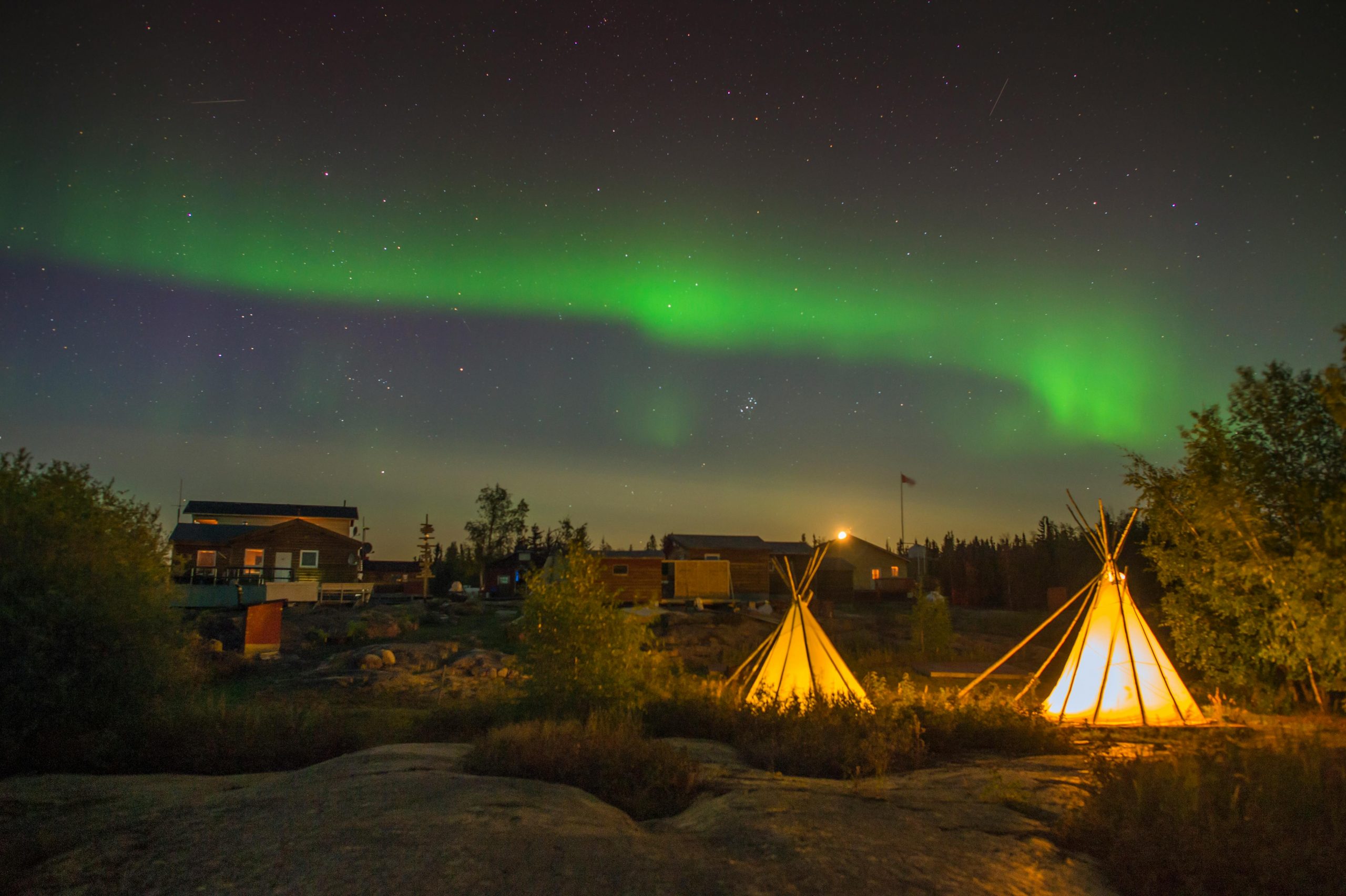
Yellowknife, in Canada’s Northwest Territories, is consistently ranked among the best places in North America to see the northern lights. Its clear skies and unique culture make it a standout choice.
Key Reasons to Visit Yellowknife:
- Stable Weather: Low precipitation and cloud cover increase aurora visibility.
- Aurora-Focused Tours: Local guides specialize in photography and aurora tracking.
- Cultural Experiences: Learn about Indigenous traditions and Arctic life.
Best Time to Visit Yellowknife:
Mid-November to early April is prime aurora season. The cold, crisp air makes the lights particularly vivid. Frozen lakes create mirror-like surfaces that double the visual impact.
6. Rovaniemi, Finland
Rovaniemi, the official hometown of Santa Claus, offers both magical holiday experiences and excellent northern lights viewing.
Why Travelers Love Rovaniemi:
- Accessibility: Well-connected via air and road.
- Aurora-Friendly Accommodations: Glass igloos and cabins designed for night sky viewing.
- Family-Friendly Experiences: Santa Claus Village and winter activities for all ages.
Best Time to Visit Rovaniemi:
Late September to March is ideal. Peak aurora visibility occurs December through February when nights are longest and snow-covered landscapes enhance the experience.
Tips for Visitors:
- Book a stay in a glass igloo for a cozy aurora experience.
- Combine northern lights trips with reindeer sleigh rides or snowmobile tours.
7. Kakslauttanen, Finland
Kakslauttanen Arctic Resort offers one of the most immersive northern lights experiences, with glass igloos that let you watch the aurora from the comfort of your bed.
Highlights:
- Comfortable, warm accommodations for night sky viewing.
- Arctic activities: snowmobiling, reindeer safaris, and ice fishing.
- Remote location ensures minimal light pollution.
Best Time to Visit Kakslauttanen:
November to March provides optimal conditions. Dark, cold nights and snow-covered terrain create a dramatic backdrop for the aurora.
8. Scottish Highlands, UK
Though not as far north as Scandinavia, the Scottish Highlands occasionally offer northern lights, locally known as “Mirrie Dancers.”
Why the Highlands Are Unique:
- Dramatic natural backdrops: mountains, lochs, and castles.
- Easy accessibility by car for travelers in the UK.
- Off-season advantages: fewer tourists and peaceful environments.
Best Time to Visit the Highlands:
The aurora is most likely from late September to March, especially during periods of high solar activity. Winter nights offer the longest, darkest skies.
9. Svalbard, Norway
Svalbard is a remote Arctic archipelago perfect for adventurous travelers seeking the ultimate northern lights experience.
What Makes Svalbard Special:
- Extreme northern latitude ensures excellent aurora visibility.
- Polar nights from November to February allow extended night-time viewing.
- Unique wildlife encounters with polar bears and Arctic foxes.
Best Time to Visit Svalbard:
November through February for the polar night. Expect long stretches of darkness, which maximize aurora spotting opportunities.
10. Greenland
Greenland remains a hidden gem for northern lights enthusiasts. Its vast, uninhabited landscapes create some of the clearest and most uninterrupted views in the world.
Why Greenland Is a Must-See:
- Isolated areas reduce light pollution to a minimum.
- Dramatic scenery: fjords, glaciers, and icebergs enhance the aurora experience.
- Adventure tourism: kayaking, hiking, and ice cap explorations.
Best Time to Visit Greenland:
Late September to early April is the prime season. February and March offer longer daylight hours for daytime activities while still providing dark nights for aurora viewing.
How to Maximize Your Chances of Seeing the Northern Lights
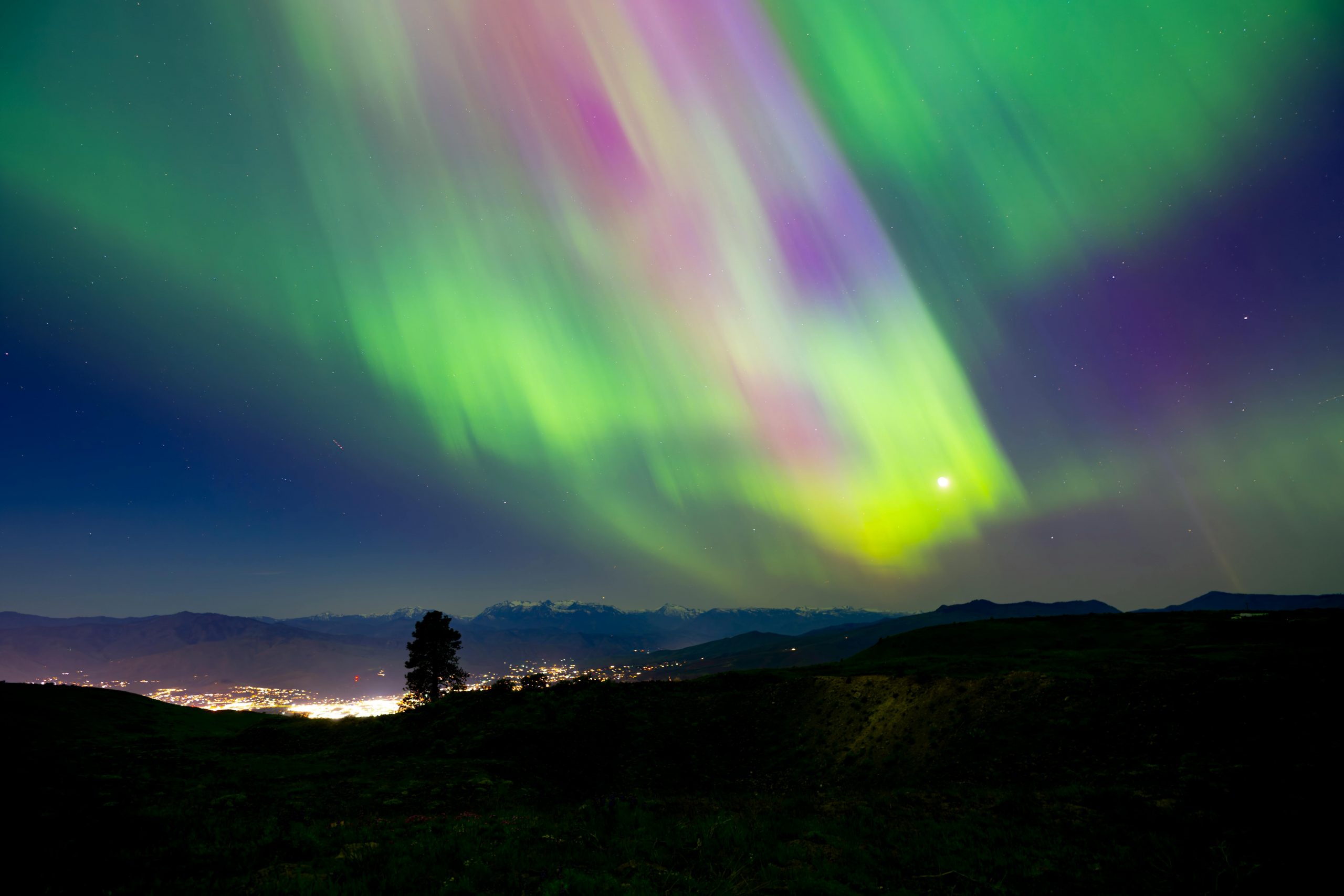
Even in the best northern lights destinations, spotting the aurora isn’t guaranteed. The lights depend on solar activity, clear skies, and timing, so preparation and strategy make a big difference. Here’s how to improve your odds:
1. Head Away from City Lights
Light pollution from towns and cities can wash out the aurora, making even a strong display look faint. To see the northern lights at their best:
- Seek remote locations such as national parks, lakes, or mountaintops.
- Many guided tours in Norway, Sweden, and Finland specialize in taking travelers away from artificial lights.
- Even a small village or countryside spot can significantly improve visibility compared to city centers.
2. Be Patient and Flexible
Auroras can be unpredictable—they may appear suddenly for a few minutes or linger for hours. Keep these tips in mind:
- Dress in warm, layered clothing so you can wait comfortably outside. Temperatures can drop well below freezing at night.
- Bring snacks, hot drinks, or a thermos of coffee or tea to stay energized during long waits.
- Consider joining a local tour. Experienced guides often know areas with higher chances of clear skies and longer viewing windows.
3. Stay Several Nights
One night is rarely enough to guarantee a sighting. Extending your stay improves your odds:
- Aim for at least 3–4 nights in a prime aurora location. This gives you flexibility if weather conditions or solar activity are not optimal on the first night.
- Use daytime hours for local activities like snowmobiling, dog sledding, or exploring cultural sites. This keeps your trip productive and enjoyable even if you need to wait for the aurora.
4. Use Aurora Apps and Forecasts
Technology can help you track aurora activity in real-time:
- Apps like My Aurora Forecast, Aurora Alerts, or local meteorological services provide forecasts based on solar activity and cloud cover.
- Keep notifications on so you can be ready when the aurora appears, even in the middle of the night.
- Combine these tools with a sky-watching plan: check forecasts a few hours in advance and be ready to travel to darker areas.
5. Check Weather Conditions Carefully
Cloud cover is one of the main reasons travelers miss the aurora.
- Look for areas with clear skies rather than just heading north. Sometimes a slightly more southern or inland location has better visibility.
- Consider microclimates: fjords, mountains, and lakes often have clearer skies than nearby cities.
- If the forecast shows clouds, be ready to relocate within your destination region for a better view.
6. Know When to Go Out
Timing during the night matters:
- Auroras are usually strongest between 9 PM and 2 AM, though they can appear outside these hours.
- Some destinations, like Svalbard during the polar night, offer extended periods of darkness, increasing your chances of multiple sightings.
- Avoid nights with a full moon if possible, as moonlight can diminish the vibrancy of the colors.
7. Capture the Moment or Just Enjoy It
While photography is exciting, sometimes focusing on the experience itself is more rewarding:
- Bring a tripod, wide-angle lens, and extra batteries if you want to photograph the lights.
- If you prefer, take a few shots and then simply enjoy watching the aurora dance across the sky—this is an unforgettable experience that no photo can fully capture.
What to Pack for a Northern Lights Trip
Seeing the aurora often means enduring cold nights. Make sure to pack wisely:
- Thermal base layers and insulated outerwear.
- Waterproof boots and gloves.
- Warm hats and scarves.
- Camera tripod and extra batteries for photography.
- Snacks and hot drinks for long nights outdoors.
Can You Combine Northern Lights Viewing With Other Activities?
Absolutely. Many destinations offer a mix of natural beauty, winter sports, and cultural experiences:
- Dog sledding or reindeer sleigh rides.
- Snowmobiling across Arctic landscapes.
- Ice fishing and glacier tours.
- Hot springs and spa visits for relaxation.
Combining activities makes the trip enjoyable even if the lights are elusive on some nights.
How to Photograph the Northern Lights
Capturing the northern lights on camera is both rewarding and challenging. With the right gear and settings, you can create stunning images that reflect the magic of the aurora. Here’s how to get the best shots:
1. Use a Tripod for Stability
Long-exposure photography is essential for northern lights, which means your camera must remain completely still.
- Invest in a sturdy tripod that can handle icy or uneven terrain.
- If shooting in a remote location, carry extra weights or stabilizers to prevent shaking from wind.
- Consider using a remote shutter or timer to avoid moving the camera when pressing the shutter button.
2. Choose a Wide-Angle Lens
A wide-angle lens allows you to capture more of the sky and create dramatic compositions.
- Lenses with f/2.8 or faster apertures are ideal for low-light conditions.
- Wide angles (14–24mm on full-frame cameras) are great for including landscapes, mountains, or lakes alongside the aurora.
3. Set a Long Exposure
Northern lights are faint to the naked eye but can be captured with long exposures:
- Start with exposures between 10–30 seconds. Adjust based on aurora brightness and movement.
- Experiment with slightly shorter exposures for fast-moving auroras to avoid streaking or blur.
4. Adjust ISO for Brightness
Higher ISO settings make the camera more sensitive to light but can introduce noise:
- Begin with ISO 800–1600 and adjust depending on light levels and aurora intensity.
- Modern cameras handle higher ISO well, but always review your images and reduce ISO if the noise is too strong.
5. Experiment with Foreground Elements
Including interesting foregrounds makes your photos more engaging:
- Mountains, lakes, trees, cabins, or frozen lakes can reflect aurora colors and add depth.
- Try silhouettes of people or animals for dramatic storytelling shots.
- Snow-covered landscapes can reflect light beautifully, enhancing the image.
6. Remember to Enjoy the Moment
While photography is exciting, don’t get so caught up that you miss the experience itself. Sometimes the best memories come from simply watching the sky and feeling the aurora’s magic firsthand.
How to Choose the Right Destination for You
Selecting the perfect northern lights destination depends on your priorities, travel style, and comfort level. Here’s what to consider to ensure a memorable trip:
1. Accessibility
- How easy is it to reach the destination? Some Arctic locations require multiple flights and long transfers.
- Consider local transportation: Are rental cars available, or will you rely on guided tours?
- Accessibility can affect the number of nights you spend, your budget, and overall convenience.
2. Weather and Sky Conditions
- Clear skies are critical—check historical cloud cover statistics for your target months.
- Some destinations, like Abisko in Sweden, are famous for consistent clear skies, while others may have more unpredictable weather.
- Even small variations in cloud cover can make the difference between seeing the aurora or missing it.
3. Accommodation Options
- Cozy cabins, glass igloos, or lodges can enhance your experience by allowing comfortable night-time viewing.
- Urban hotels provide convenience and amenities but may require driving to darker spots for aurora viewing.
- Consider staying several nights in locations with minimal light pollution to maximize your chances.
4. Activities and Experiences
- Decide if you want a destination focused purely on aurora viewing or one that combines winter sports and cultural experiences.
- Dog sledding, reindeer rides, snowmobiling, ice fishing, and hot springs are popular complementary activities.
- Cultural experiences, like learning about local traditions, can make your trip even more memorable.
5. Budget Considerations
- Some destinations, like Iceland or Norway, can be more expensive for flights and accommodations.
- Canada, Finland, and the Scottish Highlands may offer more affordable options depending on your travel style.
- Remember to factor in tours, winter gear, and transportation when planning your budget.
6. Length of Stay
- Longer stays increase the likelihood of seeing the aurora and allow for flexibility with weather changes.
- Consider a trip of 3–5 nights in a prime location, especially if you’re traveling far or investing in expensive flights.
By balancing accessibility, weather, accommodations, activities, budget, and length of stay, you can choose the destination that fits your style and maximize the chances of an unforgettable northern lights experience.
Safety Tips for Northern Lights Travelers
Traveling in Arctic or remote regions requires preparation:
- Dress in layers to prevent frostbite.
- Keep a fully charged phone and backup power bank.
- Travel with guides in unfamiliar or extreme environments.
- Be aware of local wildlife, such as polar bears in Svalbard.
- Inform someone of your travel plans when heading into remote areas.
Final Thoughts: Make 2026 the Year You See the Northern Lights
Catching the northern lights is an unforgettable experience. Whether you choose Tromsø for a comfortable Arctic city trip, Abisko for perfect photography conditions, or Greenland for remote adventure, careful planning will maximize your chances of witnessing this natural wonder.
2026 offers new opportunities to explore these destinations, enjoy unique activities, and capture stunning photos. Pack wisely, plan your timing, and prepare for the magical dance of lights in the night sky.