
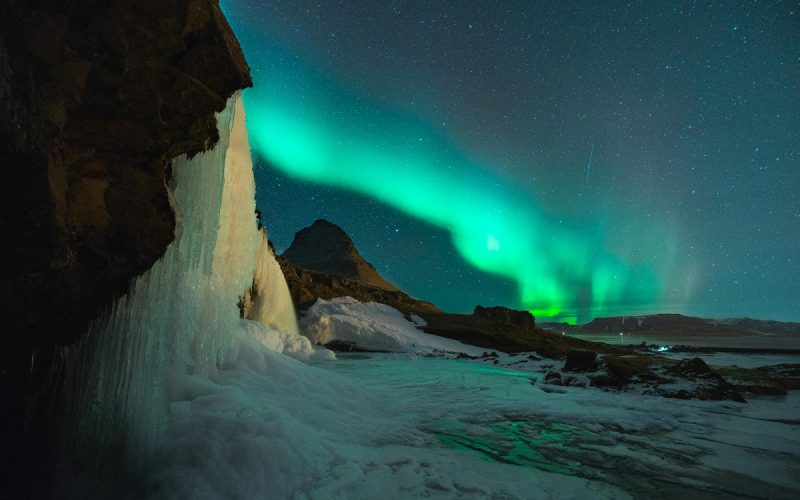

- The best months to see the northern lights in Iceland are September through March, with peak opportunities from November to January.
- Dark skies, clear weather, solar activity, and minimal light pollution are crucial factors for successful aurora viewing.
- Each month offers unique advantages: early season (September–October) has milder weather, mid-winter (November–January) has the longest nights, and late season (February–April) offers clearer skies and increasing daylight.
- Top locations for viewing include Þingvellir National Park, Jökulsárlón Glacier Lagoon, Reykjavik outskirts, Akureyri, and the Westfjords.
- Aurora photography tips: use a tripod, low ISO, slow shutter speed, manual focus, and wide-angle lenses for the best shots.
- Flexibility and patience are essential—auroras are natural and unpredictable, so plan multiple nights for the best chance of seeing them.
The northern lights, or aurora borealis, are one of nature’s most magical phenomena. Iceland is among the best places in the world to witness this spectacular light show. But one of the most common questions travelers ask is: when can you see the northern lights in Iceland? The answer isn’t a simple yes or no—it depends on the month, weather, daylight hours, and solar activity. In this guide, we’ll break it down month by month so you can plan your trip for the best chance of seeing the auroras.
Why Timing Matters for Northern Lights Viewing
The northern lights don’t appear on a strict schedule, but several factors influence your odds:
- Dark skies – The aurora is visible only when it’s dark enough. That’s why summer months with nearly 24-hour daylight aren’t ideal.
- Clear weather – Clouds, rain, and snow can obscure the sky, so clear nights are crucial.
- Solar activity – Aurora intensity depends on solar flares and geomagnetic storms. Check aurora forecasts before your trip.
- Location – While the northern lights can appear anywhere in Iceland, rural areas with minimal light pollution give the best views.
Understanding these factors helps you pick the right time of year and location for aurora hunting.
When Can You See the Northern Lights in Iceland? Month by Month
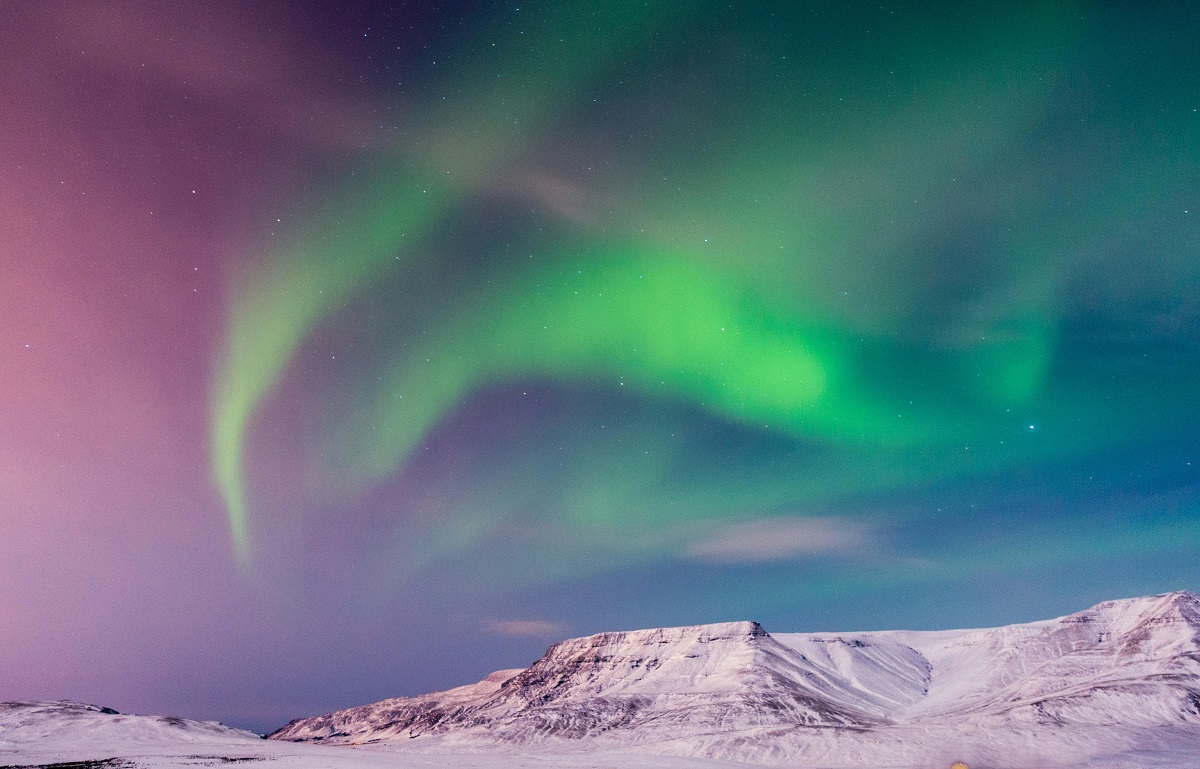
September: The Beginning of Aurora Season
September marks the start of the northern lights season in Iceland. Nights start getting longer, giving you the darkness needed for viewing. The weather is generally milder than in the winter, making it more comfortable for night excursions.
- Pros: Moderate temperatures, fewer tourists, good mix of day and night activities.
- Cons: Unpredictable weather can mean cloudy skies some nights.
- Tips: Aim for late September when nights are darker and aurora activity is increasing.
October: Chasing the Lights Before the Deep Freeze
October is a fantastic month for northern lights hunters. Nights are longer, and you can still enjoy Iceland’s stunning landscapes without harsh winter conditions.
- Pros: Long nights, colorful autumn landscapes, fewer tourists than winter months.
- Cons: Weather can be rainy or snowy in some regions.
- Best Locations: Þingvellir National Park, Vik, and the Westfjords.
November: Darkness Is Your Friend
By November, the days are very short, sometimes only 5–6 hours of daylight. This gives you plenty of darkness to see the aurora. Snow may start covering the ground, creating dramatic scenery under the northern lights.
- Pros: Long nights increase your chances of seeing auroras.
- Cons: Cold temperatures and stormy weather can limit accessibility.
- Tips: Book guided tours if you want expert assistance finding the lights safely.
December: Winter Wonderland Viewing
December is peak darkness season in Iceland. With only a few hours of daylight, your nights are long enough to enjoy aurora viewing almost any evening. Snowy landscapes add a magical touch to your photos.
- Pros: Maximum darkness, beautiful winter scenery.
- Cons: Cold, icy roads, and occasional storms.
- Insider Tip: Dress in layers and prepare for temperatures well below freezing during night excursions.
January: Start the New Year with a Light Show
January continues the winter season with long nights perfect for northern lights hunting. The cold can be intense, but the aurora displays are often spectacular.
- Pros: Long, dark nights, often clear skies after winter storms.
- Cons: Very cold temperatures, limited daylight for other sightseeing.
- Best Practices: Combine aurora viewing with geothermal spa visits for a warm escape.
February: The Aurora’s Grand Finale?
February brings slightly longer days but still plenty of darkness. Snow is common, and skies are often crisp, making it an excellent month for aurora photographers.
- Pros: Still plenty of night hours, snow-covered landscapes, sometimes fewer tourists.
- Cons: Cold temperatures persist.
- Tips: Keep checking aurora forecasts; February is often a high solar activity month.
March: Transitioning to Spring
In March, daylight starts to increase, but nights are still long enough for aurora viewing. Weather becomes more variable, so some nights may be cloudy.
- Pros: Increasing daylight allows for more daytime adventures.
- Cons: Nights are shorter, reducing the window for aurora viewing.
- Insider Tip: Aim for early March for the best mix of night hours and manageable weather.
April: Aurora Season Wraps Up
By April, the nights are shorter and the aurora season starts to taper off. You may still see the northern lights, but your chances are lower than in winter months.
- Pros: Warmer temperatures, spring landscapes.
- Cons: Short nights limit viewing opportunities.
- Best Approach: Plan your aurora outings in early April for the last chance to see the lights before summer.
Best Practices for Seeing Northern Lights in Iceland
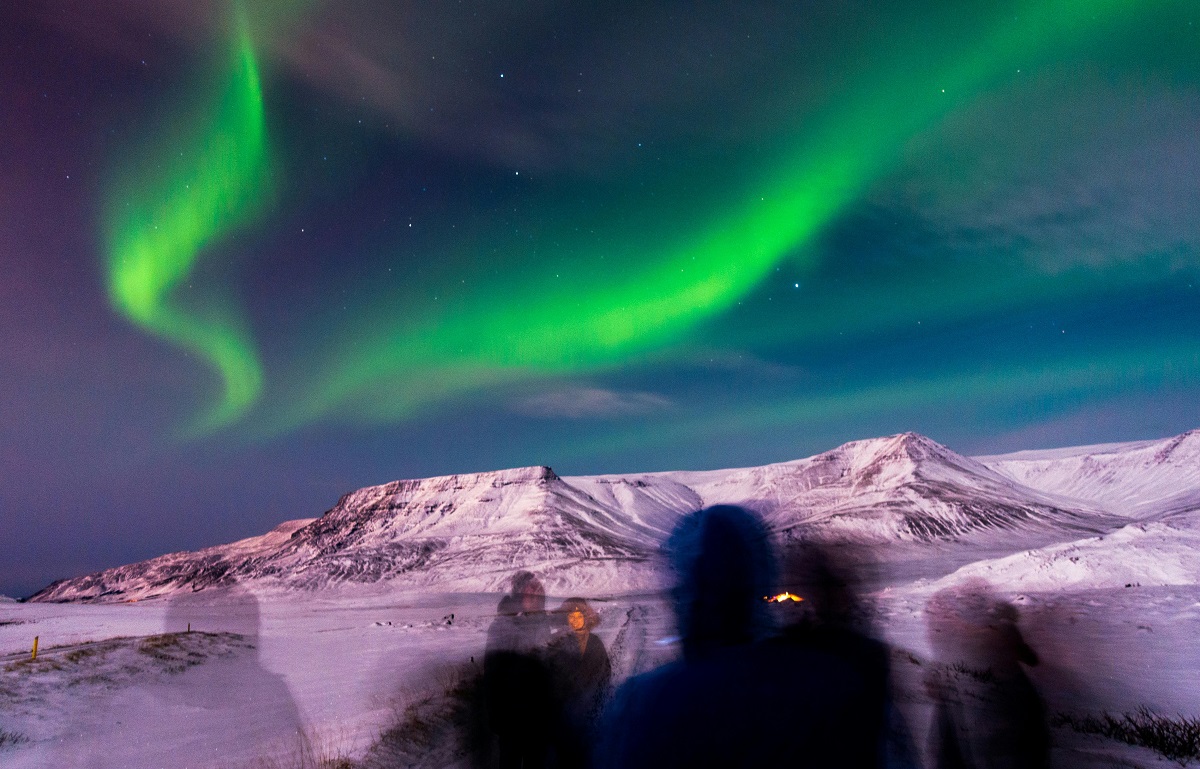
Even during peak season, seeing the aurora is not guaranteed. Here’s how to increase your chances:
- Check aurora forecasts: Websites and apps provide real-time predictions.
- Avoid light pollution: Head to rural areas or national parks.
- Be patient: Auroras can appear suddenly or slowly fade over hours.
- Dress warmly: Layered clothing, gloves, and hats are essential for long nights outdoors.
- Bring a camera tripod: Long-exposure photography captures the lights at their best.
Popular Locations to Witness Northern Lights in Iceland
Iceland offers countless spots for aurora hunting. Some of the most popular include:
- Reykjavik outskirts: Accessible and dark enough for urban dwellers.
- Þingvellir National Park: A UNESCO site with open skies.
- Jökulsárlón Glacier Lagoon: Snow and ice reflect the aurora beautifully.
- Akureyri and North Iceland: Less crowded and often clear skies.
- Westfjords: Remote areas with minimal light pollution.
How Long Do Northern Lights Last in Iceland?
The duration of an aurora display varies greatly. Sometimes they appear as brief flashes for a few minutes, while other nights may feature hours of dancing lights. Solar activity, cloud cover, and local weather conditions all affect duration. Be prepared to stay outside for at least an hour to catch a good show.
Aurora Photography Tips for Beginners
If you’re hoping to capture the northern lights on camera:
- Use a tripod: Keeps your camera steady for long exposures.
- Set low ISO and slow shutter speed: Helps capture vivid colors without noise.
- Manual focus: Autofocus may struggle in low light.
- Wide-angle lens: Captures more of the sky and landscape.
- Be patient: Wait for the aurora to peak—it can take time to intensify.
Can You See the Northern Lights from Reykjavik?
Yes, but light pollution can make them faint. The best approach is to take short drives outside the city to darker areas, like the Reykjanes Peninsula or Thingvellir National Park, for a clearer view.
When Is the Absolute Best Time to Visit?
If you want to maximize your odds:
- Months: September to March
- Peak darkness: November to January
- Tips: Check the aurora forecast daily, and stay at least a few nights to improve your chances. Flexibility is key since the northern lights are natural and unpredictable.
Common Mistakes to Avoid
Even seasoned travelers can make errors when aurora hunting:
- Expecting a guaranteed sighting: The northern lights are never guaranteed.
- Ignoring the weather: Clouds can hide the aurora even on peak activity nights.
- Dressing lightly: Nights in Iceland are cold, especially in winter.
- Relying solely on apps: Forecasts are helpful, but nature is unpredictable.
The Bottom Line
So, when can you see the northern lights in Iceland? The best months are September through March, with peak opportunities from November to January. By understanding the factors that influence visibility—darkness, weather, solar activity, and location—you can plan your trip to increase your chances of witnessing this incredible natural phenomenon.
Patience is key. Even if the aurora doesn’t appear every night, Iceland itself offers breathtaking landscapes, waterfalls, glaciers, and geothermal wonders to enjoy. When the lights do appear, it’s a memory you’ll never forget.