


- March offers ideal conditions for northern lights viewing with long nights, milder winter temperatures, and increasing daylight for daytime adventures.
- Dress in layers with thermal base layers, insulated jackets, hats, gloves, and waterproof boots to stay warm during night-time aurora chases.
- Clear skies are essential; check aurora and weather forecasts daily to maximize your chances of seeing the northern lights.
- Road conditions can be unpredictable—snow, ice, and wind may affect travel, so consider 4×4 vehicles and follow official road updates.
- Guided tours or flexible self-driving allow you to chase auroras safely and efficiently, but plan for sudden weather changes.
- Take advantage of daytime activities like glacier hikes, waterfalls, hot springs, and wildlife tours while waiting for night-time aurora displays.
- Be patient and prepared—the aurora is unpredictable, but careful planning and proper gear make for a rewarding experience.
March is one of the best months to chase the northern lights in Iceland. The harsh cold of winter starts to ease, and the daylight hours increase just enough to enjoy daytime adventures without sacrificing your chances of seeing the aurora at night. But what exactly can travelers expect when it comes to weather in Iceland in March? This guide covers everything you need to plan a northern lights-focused trip, from temperatures and precipitation to road conditions and packing tips.
How Cold Is Iceland in March?
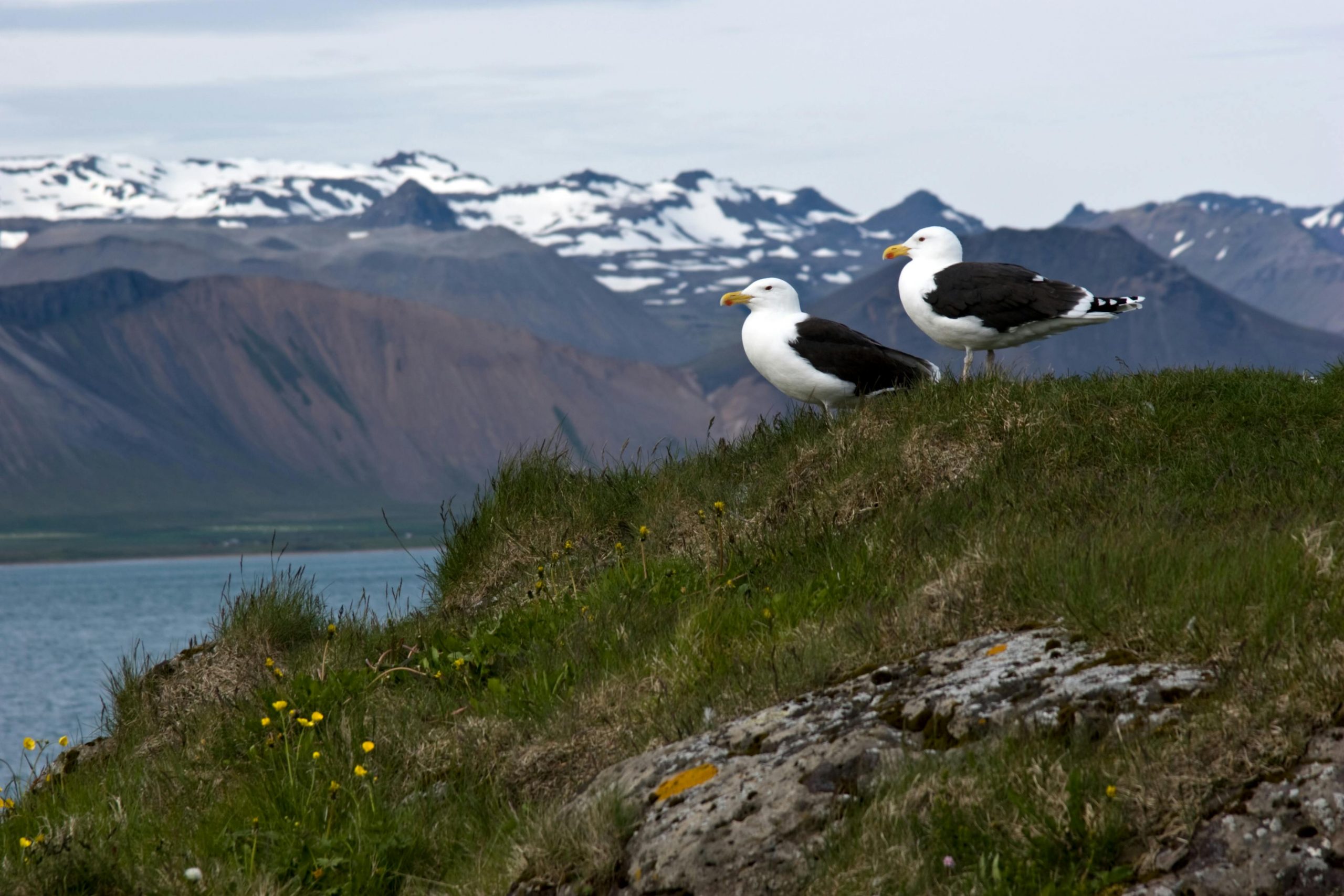
Iceland in March still carries a wintry chill, but it’s more manageable than in the heart of winter. Average daytime temperatures typically range from -1°C to 4°C (30°F to 39°F), while nighttime temperatures can drop slightly below freezing. Coastal areas, especially around Reykjavik, are often milder than the interior, but expect wind to make it feel colder.
Key points about March temperatures:
- Reykjavik: Average highs around 3–4°C, lows near -1°C
- Northern Iceland: Slightly colder, with highs around 0–2°C
- Inland and highland areas: Can still reach -10°C or lower at night
- Wind chill is significant; even mild temperatures can feel much colder
Dressing in layers is essential. Think thermal base layers, warm sweaters, waterproof jackets, hats, gloves, and insulated boots. The right clothing can make a big difference, especially if you’ll be outside late at night waiting for the northern lights.
How Much Daylight Will You Have?
One of the perks of traveling in March is the increasing daylight. At the start of the month, you can expect roughly 10 hours of daylight, and by the end of March, it stretches to about 13 hours. This balance allows you to explore Iceland’s stunning landscapes during the day and still have plenty of dark hours for aurora viewing.
Quick daylight breakdown:
- Early March: Sunrise around 8:00 am, sunset around 6:00 pm
- Mid-March: Sunrise around 7:30 am, sunset around 7:00 pm
- Late March: Sunrise around 7:00 am, sunset around 8:00 pm
For northern lights chasers, the best viewing times are usually between 10:00 pm and 2:00 am, but some nights allow aurora sightings even earlier, depending on solar activity.
What Kind of Precipitation Should You Expect?
March is a transitional month, so Iceland can see both snow and rain. Snow is more likely in northern and inland regions, while coastal areas experience a mix of rain and sleet. Storms can appear suddenly, so flexibility is key when planning outdoor activities.
Typical precipitation patterns:
- Average monthly precipitation: 40–60 mm in Reykjavik
- Snowfall: More frequent in northern and highland areas
- Rain: Possible along the south and west coasts
- Storms: Can occur suddenly, sometimes affecting roads and tours
For northern lights travelers, clear skies are crucial. Even a light snowfall can obscure the aurora, so it’s wise to monitor local forecasts regularly.
Will the Northern Lights Be Visible in March?
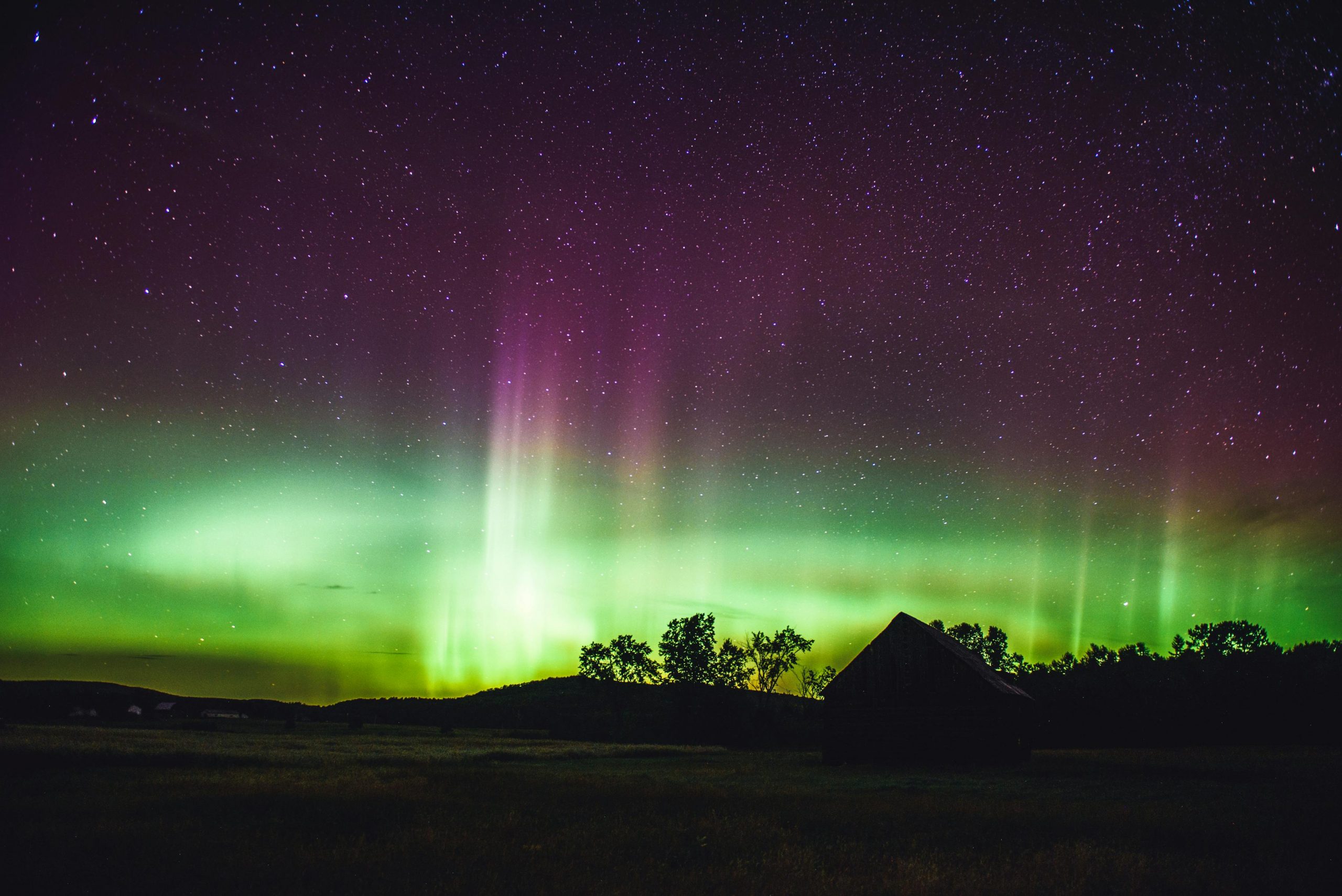
Yes, March is a prime time for northern lights viewing. The aurora season in Iceland typically runs from late September to early April, and March offers a combination of longer nights and milder weather compared to mid-winter.
Factors that affect northern lights visibility:
- Solar activity: Higher solar activity increases aurora intensity
- Weather: Clear skies are essential; clouds reduce visibility
- Light pollution: Stay away from city lights for the best experience
Many travelers report seeing spectacular northern lights displays in March. To maximize your chances:
- Check aurora forecasts on websites or apps
- Head to areas with minimal artificial light
- Be prepared to stay outside for an hour or more in cold temperatures
How Should You Plan Your Northern Lights Tours?
Booking a guided northern lights tour can enhance your experience, especially if you’re new to Iceland. Tour guides know the best locations, current aurora forecasts, and safety considerations for nighttime excursions.
Tips for northern lights tours:
- Book in advance, but stay flexible to adjust for weather
- Choose tours with small groups for a more personal experience
- Consider a tour that provides warm gear, snacks, and photography tips
- Look for tours that chase aurora actively rather than staying in one spot
Some travelers prefer to rent a car and chase the lights independently. If you go this route, make sure you are confident driving in winter conditions and have a good navigation app.
How Are Road Conditions in March?
Roads in Iceland can be unpredictable in March. Snow, ice, and strong winds can make driving challenging, particularly in northern and inland regions. Main roads near Reykjavik and the Ring Road are generally plowed and maintained, but caution is still necessary.
Driving tips:
- Always check the Icelandic Road and Coastal Administration (IRCA) for current conditions
- Consider renting a 4×4 vehicle for better traction on icy roads
- Allow extra travel time for bad weather
- Avoid highland roads, which may still be closed due to snow
Even if you don’t plan to drive, it’s important to know how conditions may affect guided tours and local transportation.
What Clothing Should You Pack?
Packing the right clothing is critical for a successful northern lights trip. Comfort and warmth are priorities, as you’ll spend long hours outdoors in the dark and cold.
Essential items for March in Iceland:
- Thermal base layers (top and bottom)
- Insulated, waterproof jacket and pants
- Warm hat, gloves, and scarf
- Wool or synthetic socks, plus waterproof boots
- Hand warmers and layers for extra insulation
Dressing in layers allows you to adjust to changing temperatures throughout the day, from sunny afternoon hikes to freezing night-time aurora chases.
Can You Do Other Activities in March?
Absolutely! While March is known for northern lights viewing, Iceland offers plenty of daytime activities. The increasing daylight allows you to explore glaciers, waterfalls, geothermal hot springs, and volcanic landscapes.
Popular activities:
- Golden Circle tours: See Thingvellir, Gullfoss, and Geysir
- Glacier hikes and ice caving: Tours available from Vatnajökull and Langjökull
- Hot springs: Blue Lagoon, Secret Lagoon, and local pools
- Wildlife tours: Whale watching in the south and puffin sightings along the coast
These activities let you enjoy Iceland’s natural beauty while waiting for the aurora to appear at night.
How Should You Photograph the Northern Lights?
Capturing the northern lights requires some preparation. A basic DSLR or mirrorless camera is ideal, but even smartphones with night modes can capture decent photos.
Photography tips:
- Use a tripod to stabilize your camera
- Set a low ISO (800–1600) for better quality
- Use a wide aperture (f/2.8–f/4)
- Long exposure (5–15 seconds) can capture more light
- Experiment with foregrounds like mountains, waterfalls, or ice formations
Even if photography isn’t your main goal, understanding basic techniques can help you document your aurora experience.
How Can You Monitor the Weather and Aurora Forecast?
Keeping an eye on forecasts is essential for northern lights travelers. Icelandic weather can change rapidly, and aurora activity fluctuates nightly.
Useful resources:
- Vedur.is: Provides detailed weather and aurora forecasts
- Aurora Service Europe: Gives real-time aurora predictions
- Local news apps: For storm warnings and travel updates
Being flexible and checking forecasts daily can make the difference between seeing the northern lights or missing them.
What Are Common Mistakes Travelers Make in March?
Many travelers underestimate Iceland’s March weather, which can affect comfort and safety. Here’s what to avoid:
- Dressing too lightly for nighttime aurora viewing
- Relying solely on mobile phones without extra batteries (cold drains battery quickly)
- Booking tours without flexibility for weather cancellations
- Driving without checking road conditions or renting a 4×4
- Underestimating travel times due to winter road conditions
Avoiding these pitfalls ensures a smoother and more enjoyable trip.
Is March Worth Visiting for the Northern Lights?
Yes! March is often considered the sweet spot for northern lights chasers. The combination of longer daylight hours, milder temperatures compared to mid-winter, and still-dark nights makes it ideal for planning a trip.
Reasons March is great:
- Dark nights for aurora viewing
- Increasing daylight for daytime adventures
- Moderate weather compared to January and February
- Lower tourist crowds than peak summer months
With careful planning, March can offer one of the most memorable aurora experiences in Iceland.
Closing Thoughts
The weather in Iceland in March offers the perfect balance for northern lights enthusiasts. With manageable temperatures, increasing daylight, and still-long nights for aurora viewing, this transitional month gives travelers the opportunity to experience the magic of Iceland both day and night. By planning ahead, dressing appropriately, and staying flexible with tours and activities, you can maximize your chances of witnessing one of nature’s most spectacular displays.